My Own Voice, Still My Own Self
Facing sixty students, I recognized the hesitation I knew so well. I had learned to speak in public; now I wanted to give others the time and space to find their own way.
17 November 2026 · 4 min read
All those faces
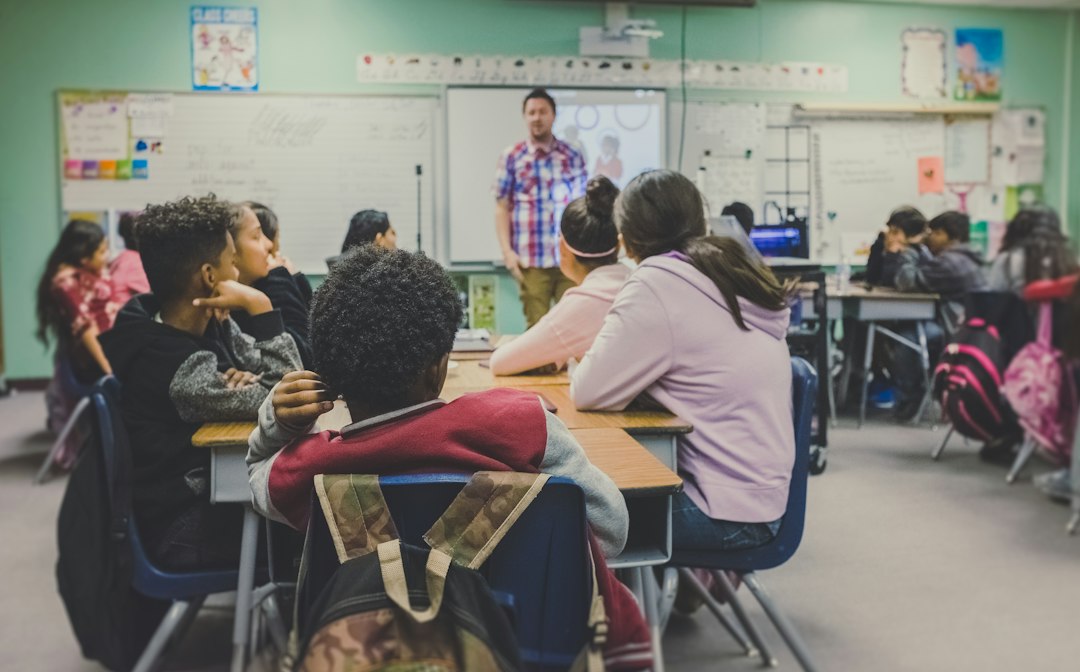
I looked up and briefly lost count of the faces. There were at least sixty students, far more than I had expected. In front of that eighth-grade class, the public-speaking program I had founded was no longer just a plan. It had lowered voices, tentative expressions, and shoulders drawn inward.
We had thirty weeks to work together. I spread our small team of tutors among the students and sat down to begin an improvised workshop. Their words came out quietly, with little change in tone. I recognized that careful way of taking up space. Before I could think about what to teach, I could see something of myself.
I had not arrived there because speaking had always been easy. I had arrived through years of working on individual sounds, followed by the slower work of trusting that my thoughts were worth sharing.
Building a sentence
As a child, making myself understood took effort. I spent years doing exercises, repeating sounds, and learning precise movements. A word was not simply something I chose. It was something I had to build.
At school, I kept to the edges. I did not join clubs. I tried to make my silence look like an uncomplicated preference, something that required no further explanation. That felt easier than revealing the effort behind an ordinary sentence.
By high school, though, I wanted a little more room. I did not need to become the loudest person anywhere. I wanted to contribute when I had a thought to share, rather than give it up before trying.
I searched the school activities booklet for a place that might fit. Most options did not catch my interest. Then I attended a debate practice. Listening to those students, I was struck by how confidently they made their ideas audible. I wanted to try, even without knowing what trying would demand.
Learning at my pace
Enthusiasm did not make me comfortable overnight. When my turn came, words caught and stalled. Watching someone else speak was very different from having the room's attention settle on me. During those early weeks, the distance between my thoughts and my spoken sentences felt enormous.
I returned to two things I already understood: time and practice. I listened closely to older students, noticing how they gave an argument shape and force. My opponents taught me, too. I lost hundreds of rounds, but those losses offered things to reconsider rather than a final verdict on my ability.
I repeated individual speeches dozens of times. Hearing my own voice travel over the same words, I gradually became more familiar with what I could do. There was no single afternoon when everything suddenly became easy. Some attempts went better. Others asked for another patient return.
The changes that mattered most began appearing beyond competition. Answering a question in class became less daunting. I could meet someone's eyes in conversation. I started offering opinions that previously would have stayed inside my head, complete but unheard.
Being heard
My debate results improved, but other people's requests surprised me more. Older students began asking for advice. Teachers asked me to help younger students. People whose attention I might once have avoided now wanted my contribution.
I began to understand a distinction I had not known how to name. Speaking successfully was one thing. Discovering that someone wanted to listen was another. The second reached further into my everyday life than a competition ranking could.
I did not have to fill every pause or produce the cleverest remark. I could bring one considered thought. I could participate without becoming an entirely different person.
I remained reserved. That part of me did not need to disappear to make room for confidence.
Room for another voice
Working with the eighth graders brought those lessons back into focus. Over the weeks, I watched them grow more willing to try. Their hesitant beginnings reminded me not to mistake an uncertain delivery for a lack of ideas. Our task was to offer tools and opportunities, then keep working alongside them.
On the final day, I watched the students stand ready to speak with a confidence they had not shown at the beginning. I thought about how far they had come, and about my own first attempts. I was not looking at sixty people who had become alike. I was looking at sixty different possibilities for being understood.
What stays with me is simple: I can be reserved and still have something to offer. And I can use what I have learned not only to take my turn, but to make room for somebody else's.
Note: the story is inspired by a true story.
Illustrative photograph: Quilia / Unsplash.
https://findred.org #MyOwnVoice #SpeakingAtMyPace #DebatePractice #RoomToBeHeard #PublicSpeaking #Debate